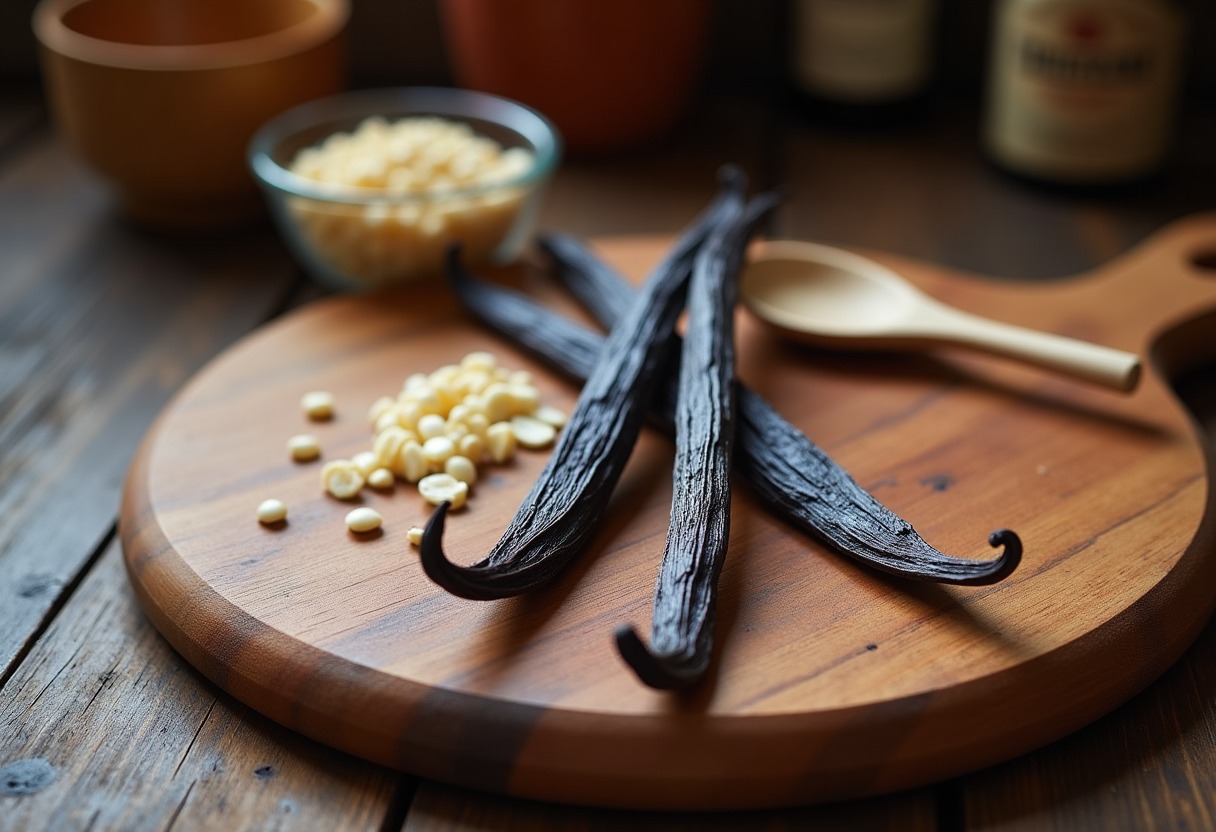
Mexican vanilla beans deliver a spicier, more complex flavor profile compared to Madagascar's familiar sweet creaminess. Understanding these differences determines whether your homemade extract will taste like warm bakery spices or classic vanilla ice cream.
The Terroir Story: How Geography Shapes Vanilla Character
Mexican vanilla, specifically from the Papantla region in Veracruz, grows in volcanic soil with consistent rainfall and shade from native trees. This environment creates beans with higher phenolic compounds, which translate to those distinctive spicy, almost smoky notes that separate Mexican vanilla from all other origins.
Madagascar vanilla, primarily from the SAVA region in the northeast, develops in a different climate with distinct wet and dry seasons. The curing process there emphasizes vanillin development over phenolic complexity, resulting in the sweet, creamy profile that dominates global vanilla production.
The difference shows up immediately when you split the beans open. Mexican vanilla beans often have a reddish-brown paste inside with visible oil content, while Madagascar beans display a darker, more uniform black paste. This visual difference reflects the actual chemical composition that creates each bean's unique flavor signature.
Mexican Vanilla: The Spicy Complexity Champion
Mexican vanilla beans contain natural compounds that create warmth beyond vanilla's typical sweetness. When you make extract with → Shop Mexican vanilla beans on Amazon, expect cherry-like undertones, cinnamon spice, and a subtle smokiness that builds as the extract ages.
The Papantla region produces beans that measure 16-20cm in length with a glossy, dark appearance when properly cured. These beans work exceptionally well with darker spirits like bourbon or rum, where the spirit's own complexity enhances rather than competes with the vanilla's spicy character.
For extract making, Mexican beans require a slightly different approach than Madagascar. They benefit from a longer initial steeping period — at least 8 weeks compared to 6 weeks for Madagascar — because their complex compounds take more time to fully extract into alcohol. The result justifies the wait: a vanilla extract with layers of flavor that evolve on your palate.
Mexican vanilla particularly shines in chocolate desserts, where its spicy notes complement cocoa's natural bitterness. It also elevates coffee-based desserts and baked goods with warm spices like cinnamon, nutmeg, or cardamom.
Madagascar vs Mexican: Head-to-Head Comparison
| Characteristic | Mexican Vanilla | Madagascar Vanilla | |---|---|---| | Primary Flavor Notes | Spicy, warm, cherry undertones | Sweet, creamy, classic vanilla | | Vanillin Content | 1.8-2.2% | 2.0-2.8% | | Best Extract Alcohol | Bourbon, dark rum | Vodka, light rum | | Optimal Aging Time | 8-12 weeks minimum | 6-8 weeks minimum | | Price Range | $3-5 per bean | $2-4 per bean | | Best Baking Applications | Chocolate, spice cakes, coffee desserts | Custards, sugar cookies, vanilla cakes |
The vanillin content numbers tell only part of the story. While Madagascar beans often contain slightly higher vanillin levels, Mexican beans compensate with a broader spectrum of flavor compounds that create complexity beyond pure vanilla sweetness.
Mexican beans also tend to produce extract with better color development over time. After 6 months of aging, Mexican vanilla extract often displays a deeper amber hue compared to Madagascar's lighter golden color. This visual difference reflects the higher concentration of phenolic compounds that contribute to flavor complexity.
Recommended Products for Both Bean Types
Start your Mexican vanilla journey with → Shop Grade A vanilla beans on Amazon specifically labeled as Papantla or Veracruz origin. Grade A beans provide the moisture content necessary for proper extraction, typically 25-35% moisture by weight.
For side-by-side comparison testing, consider → Shop vanilla bean sampler pack on Amazon that includes both Mexican and Madagascar beans. This approach lets you taste the differences directly and decide which profile better suits your baking style.
If you're committed to making extract from both origins, invest in → Shop whole vanilla bean pods on Amazon in bulk quantities. Mexican beans work particularly well when purchased in 1/4 pound quantities, as their intense flavor means you'll use them more selectively than everyday Madagascar beans.
Complete your setup with → Shop vanilla extract making kit on Amazon that includes proper storage bottles. Mexican vanilla extract benefits from amber glass bottles that protect the complex compounds from light degradation over long aging periods.
For storage solutions that preserve both bean types optimally, reference our guide on Best Glass Bottles Vanilla Extract Storage for specific bottle recommendations that accommodate extended aging.
Advanced Extract Techniques for Mexican Beans
Mexican vanilla beans respond well to a technique called "double extraction" where you remove the initial beans after 8 weeks and add fresh beans for another 4-6 weeks. This method maximizes the extraction of both quick-dissolving vanillin and slower-releasing phenolic compounds.
Temperature control matters more with Mexican beans than Madagascar. Store your Mexican vanilla extract in a consistently cool location (60-70°F) rather than allowing temperature fluctuations. The complex compounds in Mexican beans can develop off-flavors if subjected to heat cycling during the extraction process.
Consider splitting Mexican beans lengthwise before adding them to alcohol, but avoid scraping out the paste completely. Mexican bean paste contains oil-soluble compounds that won't extract into alcohol but will cloud your finished extract. Instead, split the beans to expose more surface area while keeping the paste intact.
The optimal ratio for Mexican beans differs from Madagascar: use 4-5 Mexican beans per cup of alcohol compared to the standard 3-4 Madagascar beans. Mexican beans' lower vanillin content requires this adjustment to achieve proper flavor intensity, especially if you plan to use the extract in recipes calling for Madagascar vanilla.
For alcohol selection, Mexican beans pair exceptionally well with aged spirits. Try making small test batches with bourbon, aged rum, or even añejo tequila to explore how the vanilla's spicy character interacts with different spirit profiles. Reference our Best Vodka For Vanilla Extract 2026 guide for neutral options that won't compete with the beans' complexity.
FAQ
What makes Mexican vanilla beans taste different from Madagascar beans? Mexican vanilla beans contain higher levels of phenolic compounds and different volatile oils due to their unique growing conditions in volcanic soil with consistent shade cover. These compounds create spicy, cherry-like, and sometimes smoky notes that distinguish them from Madagascar's sweeter, creamier profile. The difference becomes more pronounced in extract form where these complex compounds have time to fully develop in alcohol.
Are Mexican vanilla beans worth the higher cost for homemade extract? Mexican vanilla beans typically cost 20-30% more than Madagascar beans but offer flavor complexity that cannot be replicated by blending Madagascar extract with spices. If you frequently bake chocolate desserts, coffee-flavored treats, or recipes with warm spices, the investment pays off through superior flavor matching. For everyday vanilla needs like sugar cookies or basic cakes, Madagascar beans provide better value.
How long should I age Mexican vanilla extract compared to Madagascar? Mexican vanilla extract requires a minimum 8-week aging period compared to 6 weeks for Madagascar, with optimal flavor development occurring at 12-16 weeks. The complex phenolic compounds in Mexican beans extract more slowly than the primarily vanillin-based compounds in Madagascar beans. Many extract makers report that Mexican vanilla continues improving in complexity even after 6 months of aging.
Can I mix Mexican and Madagascar beans in the same extract bottle? Mixing Mexican and Madagascar beans in equal ratios creates a balanced extract with both complexity and familiar vanilla sweetness, though each bean type extracts at different rates. Start with a 2:1 ratio of Madagascar to Mexican beans for a subtle complexity boost, or reverse the ratio for Mexican-dominant character. Allow mixed extracts to age for at least 10 weeks to let both bean types fully contribute their flavor compounds.
Which alcohol works best specifically with Mexican vanilla beans? Mexican vanilla beans perform exceptionally well with bourbon (80-90 proof) or dark rum, where the spirit's own complexity enhances the beans' spicy character rather than masking it. Avoid high-proof neutral spirits above 100 proof with Mexican beans, as excessive alcohol strength can extract harsh tannins that overwhelm the desirable spicy notes. For a neutral option that highlights the beans' character, choose 80-proof vodka with a smooth finish.
Mexican vanilla beans transform homemade extract from a simple flavoring into a complex ingredient that elevates serious baking, while Madagascar remains the reliable foundation for everyday vanilla needs.
Some links on this page are affiliate links. We may earn a small commission if you purchase through them, at no extra cost to you.
As an Amazon Associate we earn from qualifying purchases. This article contains affiliate links; if you buy through them we may earn a small commission at no additional cost to you.