You've heard the Madagascar hype. You've probably seen Tahitian beans pop up in artisan shops. But Ugandan vanilla beans? They've been quietly earning a devoted following among serious home extract makers — and in 2026, they deserve a closer look.
Ugandan vanilla delivers a rich, creamy, almost chocolatey profile that's distinct from its better-known counterparts. It's earthy, bold, and complex — and in many cases, it's more affordable per gram of vanilla than beans sourced from Madagascar. If you're making homemade vanilla extract at home, Ugandan beans might just be the upgrade you didn't know you needed.
What Makes Ugandan Vanilla Beans Different?
Uganda sits along the equator in East Africa, in a region that shares climate characteristics with Madagascar — warm, humid, and ideal for Vanilla planifolia cultivation. But Ugandan beans tend to have a slightly different flavor fingerprint:
- Flavor profile: Bold, creamy, woody, with notes of dark chocolate and earthy spice
- Moisture content: Typically 30–35%, which is ideal for extract-making
- Vanillin content: High — often comparable to premium Madagascar beans
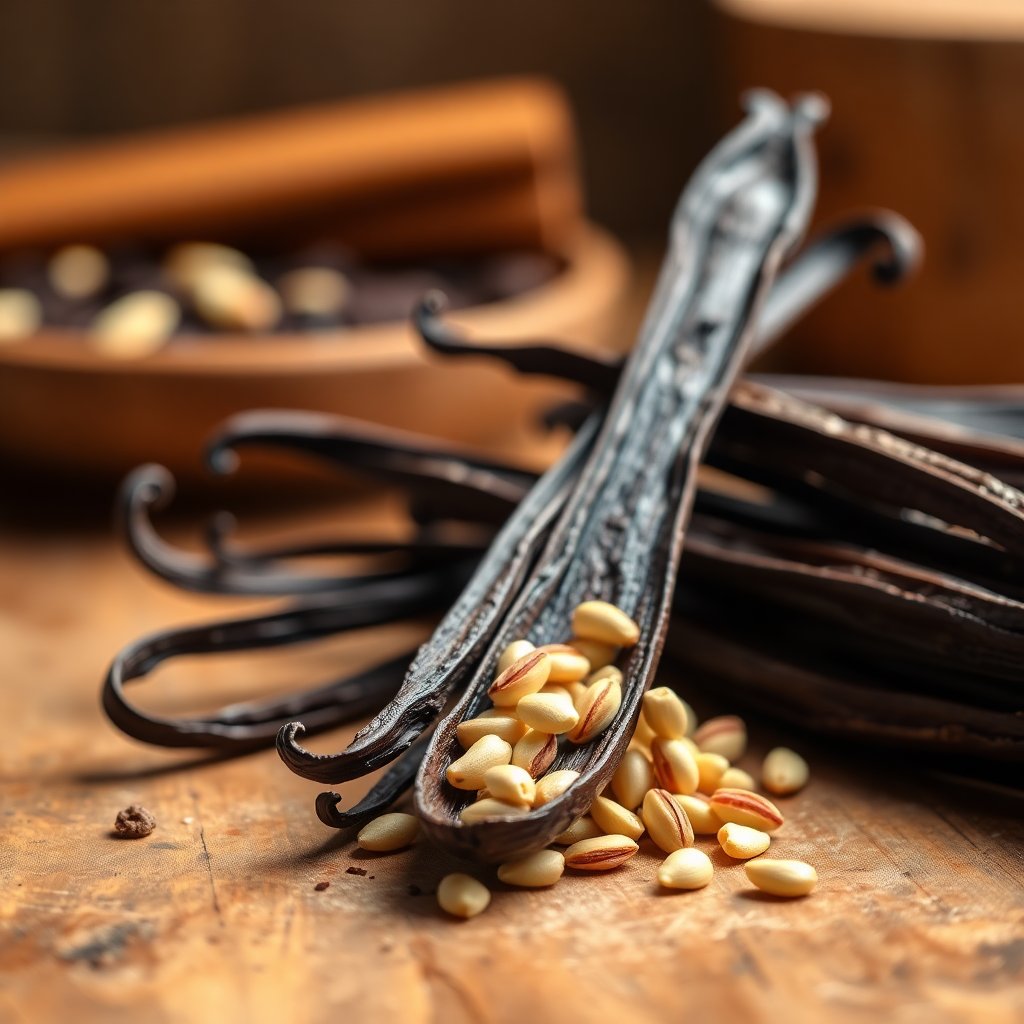
- Visual: Dark brown to nearly black, plump, and oily when fresh
The result is an extract that reads richer and more complex than standard grocery store vanilla. Bakers who've switched often describe their finished cookies, cakes, and ice cream as tasting "more vanilla" without any additional effort.
For extract-making specifically, Ugandan beans are excellent because their high moisture and vanillin content means faster infusion and deeper color. If you're doing a standard 8-week extraction in vodka, you'll often see results closer to 6 weeks with quality Ugandan beans.
→ Shop Ugandan vanilla beans on Amazon
The Best Ugandan Vanilla Beans Available in 2026
After testing several batches across different suppliers, here are the top picks for home extract makers.
1. Slofoodgroup Ugandan Vanilla Beans
Slofoodgroup has built one of the strongest reputations in the vanilla sourcing world, and their Ugandan Grade A beans are consistently excellent. These are plump, moist, and aromatic right out of the packaging — you can smell the difference immediately compared to older, dried-out beans from the grocery store.
They're sold in a vacuum-sealed tube with options ranging from a small batch of 10 beans up to bulk quantities of 1 pound or more. For most home extract makers, a 1-ounce pouch (roughly 8–10 beans) is enough to start a 4–8 oz batch of extract.
What we liked: Consistent quality batch to batch, excellent vanillin content, plump and moisture-rich. Strong chocolate-vanilla aroma.
Ideal for: First-time Ugandan bean users, standard vodka or bourbon extracts, vanilla sugar and paste.
→ Shop Slofoodgroup Ugandan Vanilla Beans on Amazon
2. Heilala Vanilla — East African Vanilla Beans
Heilala is a New Zealand-based company with deep sourcing ties in the Pacific and now East Africa. Their East African vanilla line includes Ugandan-sourced beans that have been consistently rated among the best for extract applications. The packaging is premium and the quality control is rigorous.
These run slightly pricier than some competitors, but for special batches — holiday gifts, high-end baking — they're worth it.
What we liked: Exceptional quality control, beautiful presentation, intense aroma. Great for gift-worthy extract batches.
Ideal for: Premium extract batches, bakers who want top-shelf quality.
→ Shop Heilala Vanilla Beans on Amazon
3. Vanilla Products USA — Ugandan Grade A Extract Beans
Vanilla Products USA offers a solid mid-tier option that's particularly popular with high-volume home extractors. Their Ugandan Grade A beans are sold in bulk bags (1/4 lb, 1/2 lb, 1 lb), which makes them economical for larger extract projects or for splitting with friends.
They're not quite as fragrant out of the package as Slofoodgroup's offering, but they perform well in long macerations and deliver a deep amber-brown extract after 8+ weeks.
What we liked: Great value in bulk quantities, consistent quality, ideal for large batches.
Ideal for: High-volume extract production, gifting batches, splitting with other home brewers.
→ Shop Vanilla Products USA Ugandan Beans on Amazon
4. The Spice Lab Ugandan Vanilla Beans
The Spice Lab offers one of the more affordable entry points into quality Ugandan vanilla. Their beans are reliably Grade A and arrive in a resealable pouch that helps preserve freshness. The aroma is solid and the vanillin content supports a good extract color.
If you're new to making extract with Ugandan beans and want to test the waters before committing to a bigger purchase, The Spice Lab is a smart first step.
What we liked: Accessible price point, resealable packaging, reliable Grade A designation.
Ideal for: Beginners testing Ugandan beans, smaller extract batches.
→ Shop The Spice Lab Ugandan Vanilla Beans on Amazon
5. OliveNation Premium Ugandan Vanilla Beans
OliveNation is a well-established specialty food supplier and their Ugandan beans are a reliable, if slightly more commercial, option. The beans are properly Grade A, well-sealed, and arrive in good condition. They work well for both extract and for splitting and scraping into paste or baked goods.
What we liked: Widely available, good quality for the price, versatile use cases.
Ideal for: General baking use, extract-making, vanilla paste projects.
→ Shop OliveNation Ugandan Vanilla Beans on Amazon
Ugandan vs. Madagascar vs. Tahitian: Quick Comparison
Not sure which origin is right for your project? Here's how Ugandan beans stack up against the two most popular alternatives:
| Bean Origin | Flavor Profile | Best For | Price Range | Vanillin Content | |---|---|---|---|---| | Ugandan | Bold, creamy, chocolate-forward | Extract, baking, paste | $$ | High | | Madagascar | Classic, sweet, floral-cream | All-purpose extract, cookies | $$–$$$ | Very High | | Tahitian | Fruity, floral, anise-like | Custards, ice cream, pastry cream | $$$ | Lower | | Mexican | Smoky, spicy, earthy | Savory dishes, dark chocolate baking | $ | Variable |
For standard homemade extract, Ugandan and Madagascar beans are both excellent choices. If you're after a bolder, more complex extract with a slight edge of earthiness, Ugandan wins. If you want the classic sweet vanilla flavor most people associate with "vanilla," Madagascar is your baseline.
What to Look for When Buying Ugandan Vanilla Beans
Grade matters. Always buy Grade A (also called "gourmet" or "prime") for extract-making. Grade B beans have lower moisture content and are typically marketed for extract use, but quality Grade A beans will outperform them in most home applications.
Moisture content is key. Good extract beans should feel pliable and slightly sticky, not brittle or dusty. Dry beans have lower vanillin availability and will produce weaker extract.
Source transparency. Reputable sellers disclose the origin and often the harvest year. If a listing just says "premium vanilla beans" with no origin detail, that's a red flag.
Bean count vs. weight. Buy by weight (ounces or grams), not by "bean count." Smaller beans can inflate a count while delivering less actual vanilla content per pod.
If you're making extract for the first time, check out our guide on how to make vanilla extract at home for the full process. And for spirit selection, our best vodka for vanilla extract breakdown will help you choose the right base.
→ Shop Grade A extract vanilla beans on Amazon
Frequently Asked Questions
Are Ugandan vanilla beans good for homemade extract?
Yes — Ugandan vanilla beans are excellent for homemade extract. They have high vanillin content and good moisture levels, which translates to rich color and bold flavor in the finished extract. Many experienced home extractors prefer them over standard Madagascar beans for their deeper, more complex profile.
How do Ugandan vanilla beans taste compared to Madagascar?
Ugandan beans tend to be bolder and more chocolatey, with earthy, creamy undertones. Madagascar beans are sweeter and more classically floral. Neither is better universally — it depends on what you're making. For a robust all-purpose extract with complexity, Ugandan beans are a great choice. For the "classic" vanilla flavor, Madagascar is the standard.
How many Ugandan vanilla beans do I need to make extract?
The FDA standard for pure vanilla extract requires at least 13.35 oz (about 378g) of vanilla beans per gallon of 35% alcohol. For home batches, a practical rule is 3–5 Grade A beans per 4 oz of liquor. Ugandan beans tend to be plump, so 3 beans per 4 oz is often sufficient.
Where can I buy Ugandan vanilla beans in bulk?
Slofoodgroup, Vanilla Products USA, and OliveNation all offer bulk options on Amazon ranging from 1/4 lb to 1 lb quantities. Buying in bulk significantly reduces the cost per bean and is worth it if you're making large batches or gifting extract.
How long does it take to make vanilla extract with Ugandan beans?
Standard extract (8 weeks minimum) applies the same way regardless of origin. However, Ugandan beans' high moisture and vanillin content often means you'll see good color and aroma developing closer to 6 weeks. For a fully mature, rounded extract, wait the full 8–12 weeks before using.
The Bottom Line
Ugandan vanilla beans are an underrated gem in the home extract world. They're bold, rich, and complex — and in 2026, there are more quality sourcing options than ever. Whether you choose the consistently excellent Slofoodgroup beans, the premium Heilala offering, or the economical Vanilla Products USA bulk option, you're working with some of the best raw material available for homemade vanilla extract.
Our top recommendation for most home brewers: Slofoodgroup Grade A Ugandan Vanilla Beans. Reliable, fragrant, and available in sizes that suit any batch size.
→ Shop Slofoodgroup Ugandan Vanilla Beans on Amazon
As an Amazon Associate we earn from qualifying purchases. This article contains affiliate links; if you buy through them we may earn a small commission at no additional cost to you.