
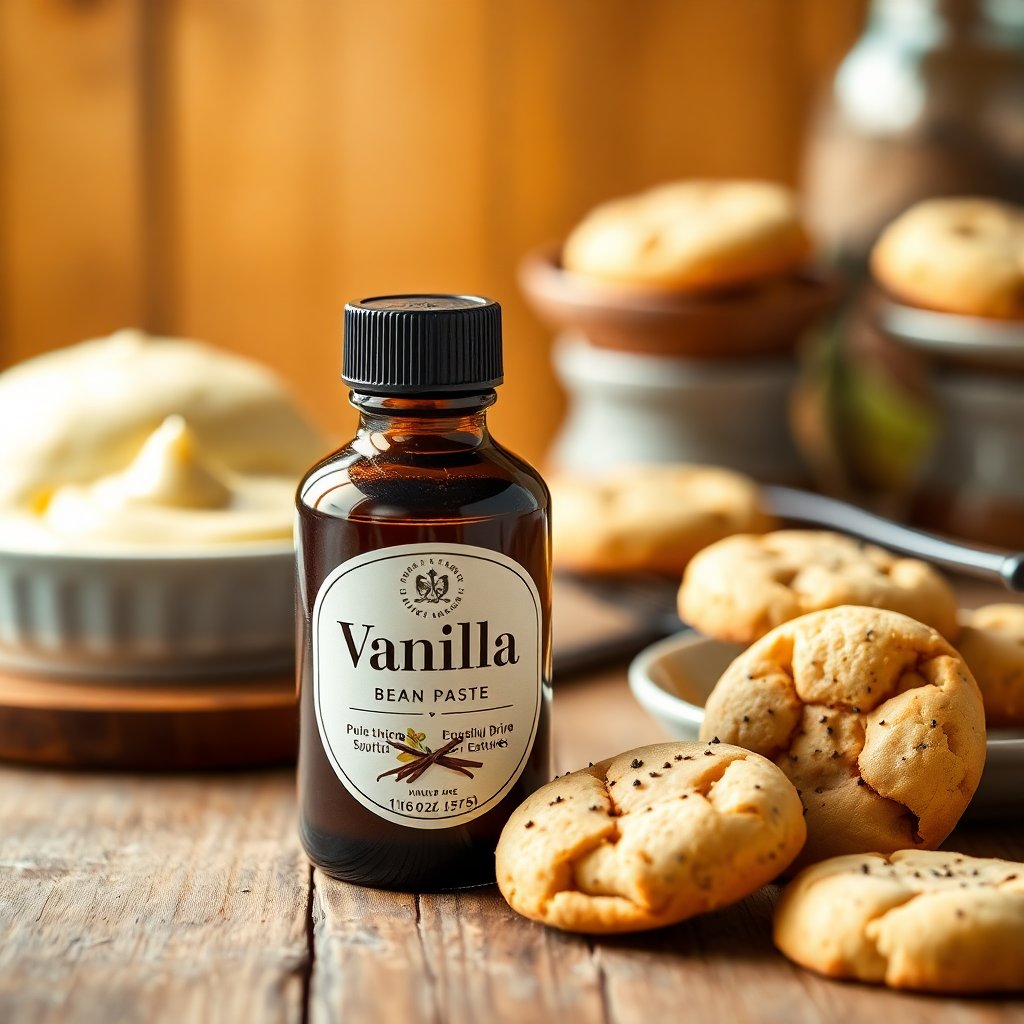
Both vanilla bean paste and vanilla extract come from the same source — vanilla beans — but they behave differently in recipes and each has situations where it's clearly the better choice.
The short version: use paste when the look matters and you want maximum intensity; use extract when vanilla is supporting other flavors or when you need it in a wet batter.
Here's the full breakdown.
What Is Vanilla Bean Paste?
Vanilla bean paste is a thick, syrup-like product made from vanilla extract, vanilla bean seeds (those tiny black specks), and often a binding agent like sugar or xanthan gum. It has an intense vanilla flavor and — crucially — the visible seeds that look beautiful in finished dishes.
→ Shop Nielsen-Massey Vanilla Bean Paste on Amazon
Nielsen-Massey Vanilla Bean Paste is widely considered the gold standard. It's thick, intensely flavored, and packed with real bean seeds. Rodelle and Watkins also make solid pastes at slightly lower price points.
Substitution: 1 teaspoon vanilla paste = 1 teaspoon vanilla extract (in most recipes)
What makes paste unique:
- Visible vanilla bean seeds in the finished dish
- More intense flavor per teaspoon than standard extract
- Slightly thicker consistency (can affect very thin batters)
- The seeds don't fully disperse in liquid — you see them in the finished product
→ Shop Rodelle Vanilla Bean Paste on Amazon
What Is Vanilla Extract?
Vanilla extract is vanilla beans steeped in alcohol. It's liquid, shelf-stable for years, and the standard form of vanilla used in most baking. The alcohol cooks off during baking, leaving just the vanilla flavor.
Pure vanilla extract — whether homemade or a quality store-bought version — is versatile and forgiving. A splash of extract improves almost everything. If you want to make your own, our how to make homemade vanilla extract guide walks through the process step by step — it's easier than most people expect and the result is significantly better than grocery store extract.
→ Shop Nielsen-Massey Pure Vanilla Extract on Amazon
When to Use Paste
Use paste when the look of the dish matters and when you want maximum vanilla intensity:
Ice cream or gelato: The specks are beautiful and expected in a good vanilla ice cream. Without them, it looks like it might be vanilla-flavored rather than vanilla bean. Paste gives you both the visual and the flavor.
Crème brûlée or panna cotta: A pristine, pale cream with black speckles throughout is a visual statement of quality. Paste delivers this; extract doesn't.
Pastry cream or vanilla pudding: Same reason — the specks signal authenticity in a professional pastry context.
Buttercream frosting: The specks look lovely against white or ivory buttercream and the flavor is noticeably more intense than extract in fat-based applications (fat carries vanilla flavor beautifully).
Shortbread or vanilla sugar cookies: Where vanilla is the star flavor and you want both the intensity and the specks.
Whipped cream for an impressive dessert: A spoonful of paste in fresh whipped cream before whipping distributes seeds throughout and intensifies the flavor. Stunning for topping fruit tarts or crepes.
When to Use Extract
Use extract when vanilla is a supporting flavor or when you're adding it to something with a lot of liquid:
Chocolate cake or brownies: Vanilla enhances chocolate but doesn't need to star. The specks would be invisible anyway. Extract does the job at lower cost.
Banana bread, muffins, quick breads: No one is looking for specks, and the banana/spice flavors are dominant. Extract integrates more smoothly.
Pancakes, waffles: Extract blends invisibly into the batter. Paste's thick consistency can create slightly uneven distribution.
Sauces or glazes with lots of liquid: Extract disperses better in high-liquid applications.
Large-batch baking: Extract is significantly more economical per use than paste. When you're making 8 dozen cookies for a bake sale, paste isn't necessary.
Homemade extract particularly shines here — deeper, more complex than store-bought, and every teaspoon feels like you made it yourself, because you did.
When to Use a Whole Bean
Scrape a whole vanilla bean when you want maximum, undiluted vanilla flavor and the seeds are part of the presentation:
- Vanilla bean simple syrup
- Steeping milk for crème brûlée or ice cream base
- Homemade vanilla sugar
- Poaching liquid for fruit
→ Shop Grade A Madagascar beans on Amazon
Grade A Madagascar beans are ideal for this — plump, moist, and easy to split and scrape. The seeds disperse easily in warm liquid and the aroma is spectacular. This is also the most expensive per-use option, so reserve it for recipes where it matters.
Product Recommendations
Best vanilla bean paste:
- Nielsen-Massey: The industry standard. Rich, complex, seed-forward.
- Rodelle: Slightly more affordable with very good quality.
- Watkins: Budget-friendly; decent quality for everyday use.
Best vanilla extract (store-bought):
- Nielsen-Massey: Best overall — complex, floral, genuinely excellent.
- Rodelle: Bold and assertive. Great value. Our full extract ranking covers these in detail.
Best for DIY extract: → Shop vodka for extract on Amazon
→ Shop Grade B extract beans on Amazon
Quick Reference
| Use Case | Best Choice | |---|---| | Ice cream, crème brûlée | Paste | | Chocolate cake, brownies | Extract | | Buttercream frosting | Paste | | Everyday cookies and muffins | Extract | | Anything where specks matter visually | Paste | | Large-batch baking | Extract (more economical) | | Infusing milk or cream | Whole bean | | Cold desserts, no-bake recipes | Paste or whole bean | | Whipped cream for a showstopper | Paste |
Can You Substitute One for the Other?
Yes, 1:1 in most recipes. The flavor is very similar; the main difference is texture (paste is thicker) and appearance (paste has visible seeds). In a wet batter or dough, the thicker consistency of paste is undetectable.
When substituting paste for extract: Use the same amount. Expect slightly more intense vanilla flavor and visible seeds.
When substituting extract for paste: Use the same amount. Expect slightly less vanilla intensity and no visible seeds. In recipes where the specks are the point (vanilla ice cream, crème brûlée), this is a meaningful downgrade.
FAQ
Is vanilla bean paste worth the higher price? For specific applications (ice cream, crème brûlée, vanilla buttercream) — yes, absolutely. The visible seeds and more intense flavor justify the premium. For everyday baking where vanilla is a background note, extract is more economical and works just as well.
Does vanilla bean paste go bad? Vanilla bean paste has a shelf life of about 3–4 years when stored properly. The alcohol content acts as a preservative. Store it at room temperature, tightly sealed, away from heat and light. Refrigeration isn't necessary and can cause thickening.
Is homemade paste possible? You can make a simplified version by grinding vanilla seeds and pods with a small amount of alcohol and a binding agent. Commercial paste uses a more refined process, but a rough homemade version is possible. Most home bakers find it easier to buy paste and make extract.
What's the difference between vanilla paste and vanilla powder? Paste contains alcohol, water, and binding agents alongside the vanilla. Powder is made from dried, ground vanilla pods with no liquid — it has an intense, pure vanilla flavor and is completely dry, making it useful in situations where liquid would be problematic (meringue, dry rubs, certain chocolate recipes).
Why does some vanilla paste taste sweeter than others? Some manufacturers add sugar to help the paste set and improve shelf stability. Nielsen-Massey uses a sugar syrup base; Rodelle is similar. Check the ingredient list if you're monitoring sugar intake or if you're using it in already-sweet recipes.
This post contains affiliate links. We only recommend products we've actually used.
As an Amazon Associate we earn from qualifying purchases. This article contains affiliate links; if you buy through them we may earn a small commission at no additional cost to you.